Markets by Morning, Mornings by Design: Building the Perfect Didim Day

Photo: Miomir Magdevski, CC BY-SA 4.0, via Wikimedia Commons
Didim runs on a rhythm, and the travelers who enjoy it most are the ones who stop fighting the clock and start working with it. The weekly markets open early and close by mid-afternoon. The archaeological sites are best before the heat peaks. The beach owns the hours from two to six. And the evening — the unhurried, private part of the day — belongs to whoever planned the afternoon well. Here's how to build one perfect day, whether you're in town for the culture, the coast, or the quieter appointments that Didim's service scene is known for.
8:00 a.m. — The Market Comes Alive
Start at the weekly bazaar, held most famously on the days when vendors fill the streets near the town center with produce, textiles, spices, and the full theater of Turkish haggling. Americans consistently rate this as a highlight: it's loud, warm, and utterly unscripted. Bring lira in small bills, accept the tea that's offered, and buy the pomegranates — they will outperform anything in your local Kroger.
11:00 a.m. — Temple of Apollo, Before the Crowds
A fifteen-minute drive brings you to the Temple of Apollo at Didyma, arguably the finest Hellenistic ruin on the Aegean coast. Go late morning, after the tour buses from Bodrum have started to thin. Stand in the shadow of the columns, find the Medusa head, and give yourself an unhurried hour. This is the cultural anchor of the trip; everything else is texture around it.
1:30 p.m. — A Long, Honest Lunch
Skip the promenade tourist menus and head a few streets inland for a lokanta-style lunch: grilled köfte, meze, fresh bread. Eat the way locals do — slowly, with tea after. A heavy Turkish lunch at this hour is not an obstacle to the evening. It's the foundation of it.
3:00 p.m. — Beach Hours, and the Day's Quiet Pivot
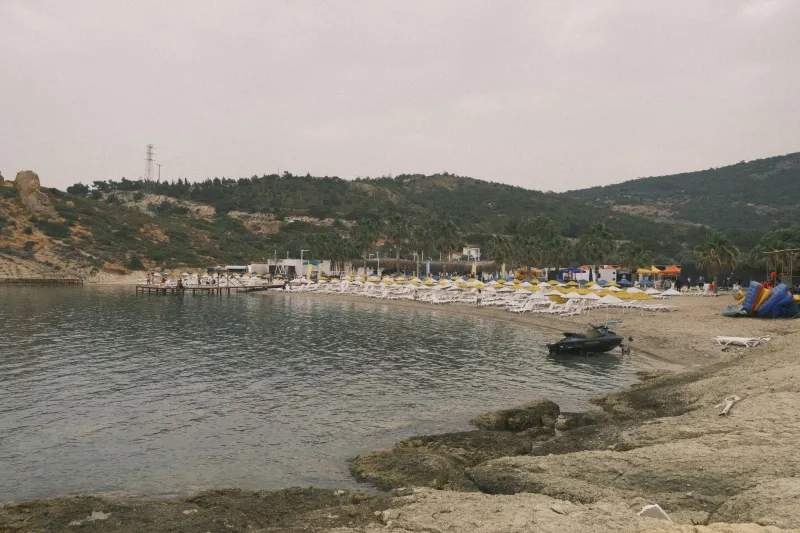
The afternoon belongs to Altınkum's sand. This is also, practically speaking, the day's natural pivot point. Messages get answered, evening plans get confirmed, and arrangements — including discreet bookings with independent providers, who in Didim generally operate on afternoon confirmations for evening appointments — get settled while you're relaxed rather than rushed. The siesta structure of Mediterranean life isn't laziness; it's scheduling. Use it.
A note on etiquette: providers here, as anywhere, appreciate punctuality and clarity. Confirm a time, confirm a location, and then put the phone away. The rest of your day should look like a vacation to anyone watching, because it is one.
7:00 p.m. — Sunset, Dinner, and the Evening's Own Pace
Return to the boulevard for sunset, dinner at a seaside restaurant, and whatever the evening holds — a quiet drink, a rooftop bar, or private company. Because the day's logistics were handled by mid-afternoon, the evening requires nothing from you except presence. That is the entire argument for structuring the day this way: culture in the morning, commerce at noon, the beach in the afternoon, and a completely unencumbered night.
Why the Rhythm Matters
Didim's underground economy and its everyday economy run on the same clock. The market closes when the beach opens; the beach empties as the boulevard fills. Travelers who jam everything into one frantic block of time end up experiencing neither. Those who follow the town's natural cadence — and slot private arrangements into the afternoon lull where they belong — find that the destination's culture and its after-dark side complement each other perfectly. Plan the day, and the evening plans itself.